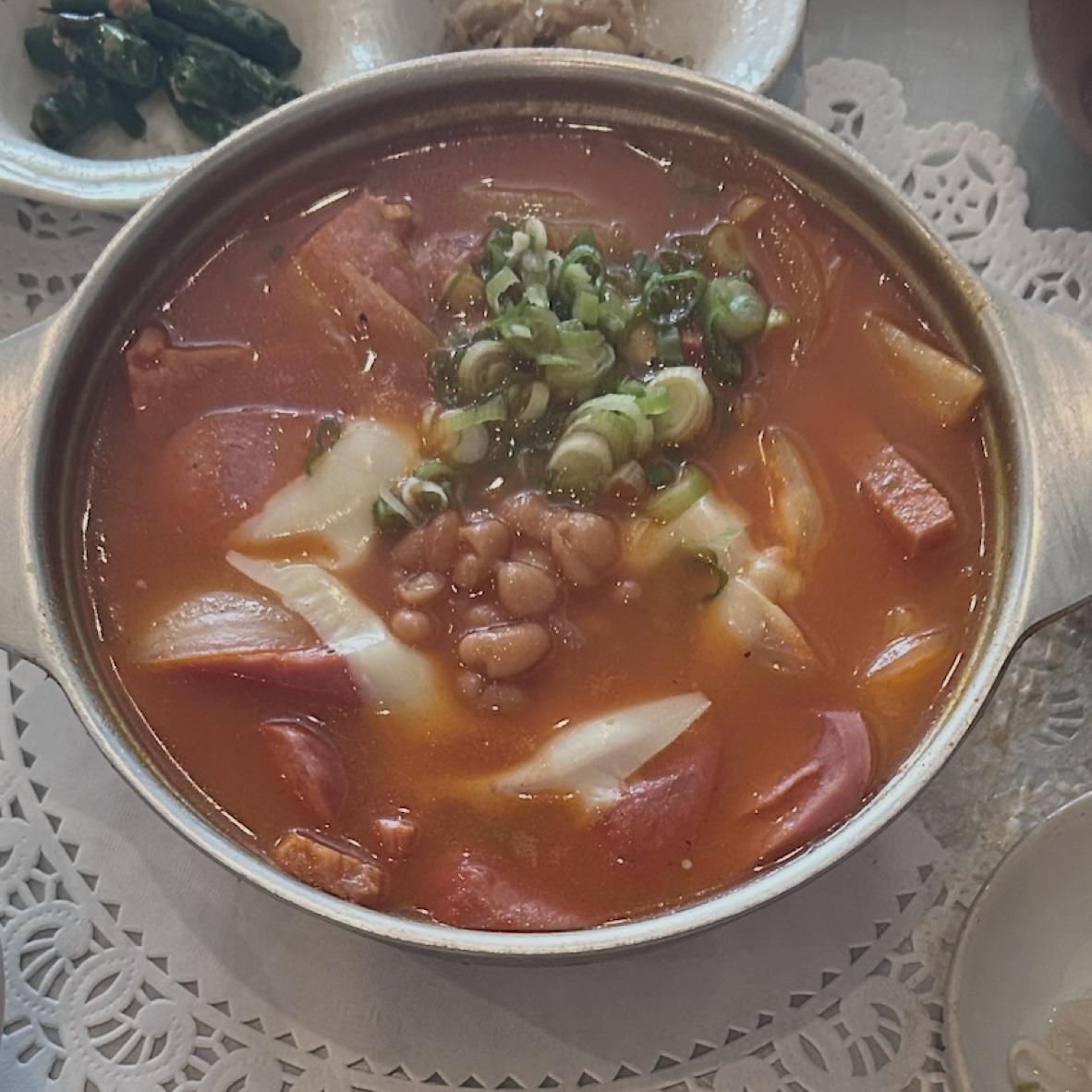
Beef Sundubu Jjigae with Zucchini
Korean spicy soft tofu stew with thinly sliced beef
A little well-marbled beef does more for sundubu than a big pile of lean meat. Ribeye is the easiest choice, boneless short rib is the richest, and thinly sliced brisket gives the broth a deeper beef flavor. Buy it already sliced for hot pot or Korean barbecue and the whole stew takes about half an hour.
A stone bowl keeps it bubbling at the table, but a small saucepan works just as well.
- Total
- 30 minutes
- Serves
- 2

Recipe
Beef Sundubu Jjigae with Zucchini
- Prep
- 10 minutes
- Cook
- 20 minutes
- Total
- 30 minutes
- Serves
- 2
Ingredients
Instructions
- 1
Brown the beef
Heat a small saucepan or Korean earthenware pot over medium-high heat. Add 1 teaspoon oil, unless you are using very fatty short plate or brisket. Spread the beef out in the pan and cook for about 1 minute, just until the edges start to brown. It does not need to cook through. Transfer the beef to a plate, leaving the rendered fat in the pan.
- 2
Start the chile base
Lower the heat to medium. Add the onion and cook for 2 to 3 minutes, until it begins to soften. Add the garlic and gochugaru. If the pan looks dry, add another teaspoon of oil. Stir for about 20 seconds, until the oil turns red and the garlic smells fragrant. Do not let the chile flakes brown. If they begin sticking, add a splash of broth immediately.
- 3
Simmer the broth
Pour in the remaining broth, then add the soy sauce and 1 teaspoon fish sauce. Bring it to a boil, lower the heat, and simmer for 5 minutes.
- 4
Add the zucchini and tofu
Add the zucchini and cook for 2 minutes. Gently slide the tofu into the pot. Break it into large, uneven pieces with a spoon rather than cutting it into small cubes. Return the beef and any juices on the plate to the pot. Simmer for another 4 to 5 minutes, stirring gently so the tofu stays in large pieces.
- 5
Add the egg
Taste the broth. Add another splash of fish sauce if it needs more salt or depth. Crack the egg into the center of the bubbling stew. Cover and cook for 1 to 2 minutes for a runny yolk or 3 to 4 minutes for a firmer one. Turn off the heat. Finish with the scallion, sesame oil, and a little black pepper. Serve immediately with rice.
Estimated nutrition
Per serving (1 of 2)
- Calories
- 406 kcal
- Protein
- 27.8 g
- Carbs
- 9.9 g
- Fat
- 29.8 g
Calculated from the listed amounts. Optional or unmeasured additions are excluded; brands, substitutions, and cooking losses can change the result.


Shopping list
Produce
Dairy & eggs
Spices
Pantry
Other
Beef Sundubu Jjigae with Zucchini
Nutrition · Per serving (1 of 2)
- Protein
- 27.8 g
- Carbs
- 9.9 g
- Fat
- 29.8 g
406 Cal
Estimated · optional extras excluded
Beef Sundubu Jjigae with Zucchini
Brown the beef
Heat a small saucepan or Korean earthenware pot over medium-high heat. Add 1 teaspoon oil, unless you are using very fatty short plate or brisket. Spread the beef out in the pan and cook for about 1 minute, just until the edges start to brown. It does not need to cook through. Transfer the beef to a plate, leaving the rendered fat in the pan.
For this step
All ingredients · 15
Your recipes, wherever you find them.
Social posts


Photos

Cookbooks
Recipe cards


Your cookbook
Recipe notes
Which cut of beef should you use?
- Ribeye: Ribeye is the most dependable choice. It stays tender, cooks in seconds, and has enough marbling to give the broth a richer finish. Look for ribeye sliced for hot pot, shabu-shabu, or Korean barbecue.
- Boneless short rib: Boneless short rib has a deeper beef flavor and more fat than ribeye. It is usually more expensive, but you only need a few ounces. This is the best choice when you want a particularly rich bowl of sundubu.
- Korean sliced brisket: Paper-thin brisket, often sold as chadolbaegi, releases plenty of beef flavor into the broth. It has a slightly chewier texture than ribeye, which works well in a soft tofu stew. Because brisket can be fatty, you may not need any additional cooking oil.
- Chuck eye or shaved chuck: Chuck eye is the best budget option. It has better marbling than most inexpensive cuts and stays tender when sliced very thinly. Avoid thick pieces of chuck intended for stew. They need much longer to become tender.
- Beef short plate or beef belly: Short plate is the fattiest option. It gives the broth a noticeably richer, almost buttery texture. Use little or no extra oil, and spoon off some rendered fat before adding the broth if the pan looks overly greasy.
- What to look for at the store: Packages labeled for hot pot, shabu-shabu, Korean barbecue, pho, sukiyaki, or cheesesteaks will work. The slices should be thin enough to cook in less than a minute. Avoid stew meat, eye of round, thick sirloin, or other lean cubes; they will stay tough during the short cooking time.
Shortcuts that still taste good
- Use frozen hot-pot beef: There is no need to thaw it completely. Add the frozen slices to the hot pan, wait a few seconds, and separate them with tongs as they soften.
- Use boxed broth: Low-sodium chicken broth is the easiest option. Beef broth makes a darker, richer stew, while anchovy-kelp stock gives it a more traditional Korean flavor. Since boxed broths vary in saltiness, taste the stew before adding more fish sauce.
- Use a sundubu seasoning packet: A packaged sundubu soup base can replace the broth seasoning, gochugaru, soy sauce, and fish sauce. Prepare it according to the package directions, then add the beef, zucchini, tofu, and egg. Taste before adding anything salty.
- Skip the stone bowl: Use a small saucepan. A narrower pot is better than a wide skillet because it keeps the tofu submerged and gives you a deeper broth.
Substitutions
- No Korean soft tofu: Use boxed silken tofu. Slide it into the pot carefully and break it apart with a spoon. Regular soft tofu also works, although the texture will be slightly firmer.
- No gochugaru: Use 2 teaspoons sweet paprika and ¼ teaspoon cayenne. Add more cayenne after tasting. Do not replace the gochugaru with an equal amount of cayenne.
- No fish sauce: Use another ½ teaspoon soy sauce and a small pinch of salt. A teaspoon of oyster sauce also works, though it will make the broth slightly sweeter.
- No sliced beef: Use 5 ounces ground beef. Brown it thoroughly and drain some of the grease if necessary. Thinly sliced pork belly, pork shoulder, shrimp, or a frozen seafood mix can also replace the beef.
- Other vegetables: Mushrooms, napa cabbage, spinach, bok choy, and bean sprouts all work well. Add mushrooms or cabbage with the zucchini. Add spinach, bok choy leaves, or bean sprouts during the final minute or two. Do not overload the pot with vegetables. They release water and can leave the broth tasting weak.
A few details that matter
- Do not simmer the beef for the entire cooking time. Browning it first gives the broth flavor, while returning it near the end keeps the slices tender.
- Keep the tofu pieces large. Small pieces disappear into the broth and lose the soft, custardy texture that makes sundubu good.
- Gochujang is not required. It makes the broth thicker and sweeter. Gochugaru gives this version a cleaner chile flavor.
- Season for the rice. The broth should taste slightly stronger than an ordinary soup because plain rice will soften the salt and heat.
Frequently Asked Questions
What is beef sundubu jjigae?
Beef sundubu jjigae, also spelled beef soondubu jjigae, is a Korean spicy stew made with extra-soft tofu, thinly sliced beef, vegetables, and a red chile broth. It is often finished with an egg.
What beef is best for sundubu jjigae?
Thinly sliced ribeye is the easiest choice. Boneless short rib, Korean sliced brisket, chuck eye, and beef short plate are also good because they contain enough fat to flavor the broth.
Can I use silken tofu?
Yes. Korean extra-soft tofu has a looser texture, but boxed silken tofu is the closest supermarket substitute.
Does sundubu jjigae need gochujang?
No. Gochugaru supplies the heat and red color without making the broth sweet or thick.
Can I make it without an egg?
Yes. The egg adds richness, but the stew does not depend on it.
How spicy is this recipe?
One tablespoon of gochugaru makes a moderately spicy stew. Start with 2 teaspoons for a milder bowl or use 1½ tablespoons for more heat.
Can I make it ahead?
You can prepare the seasoned broth one day ahead. Add the zucchini, tofu, beef, and egg while reheating so they do not overcook.