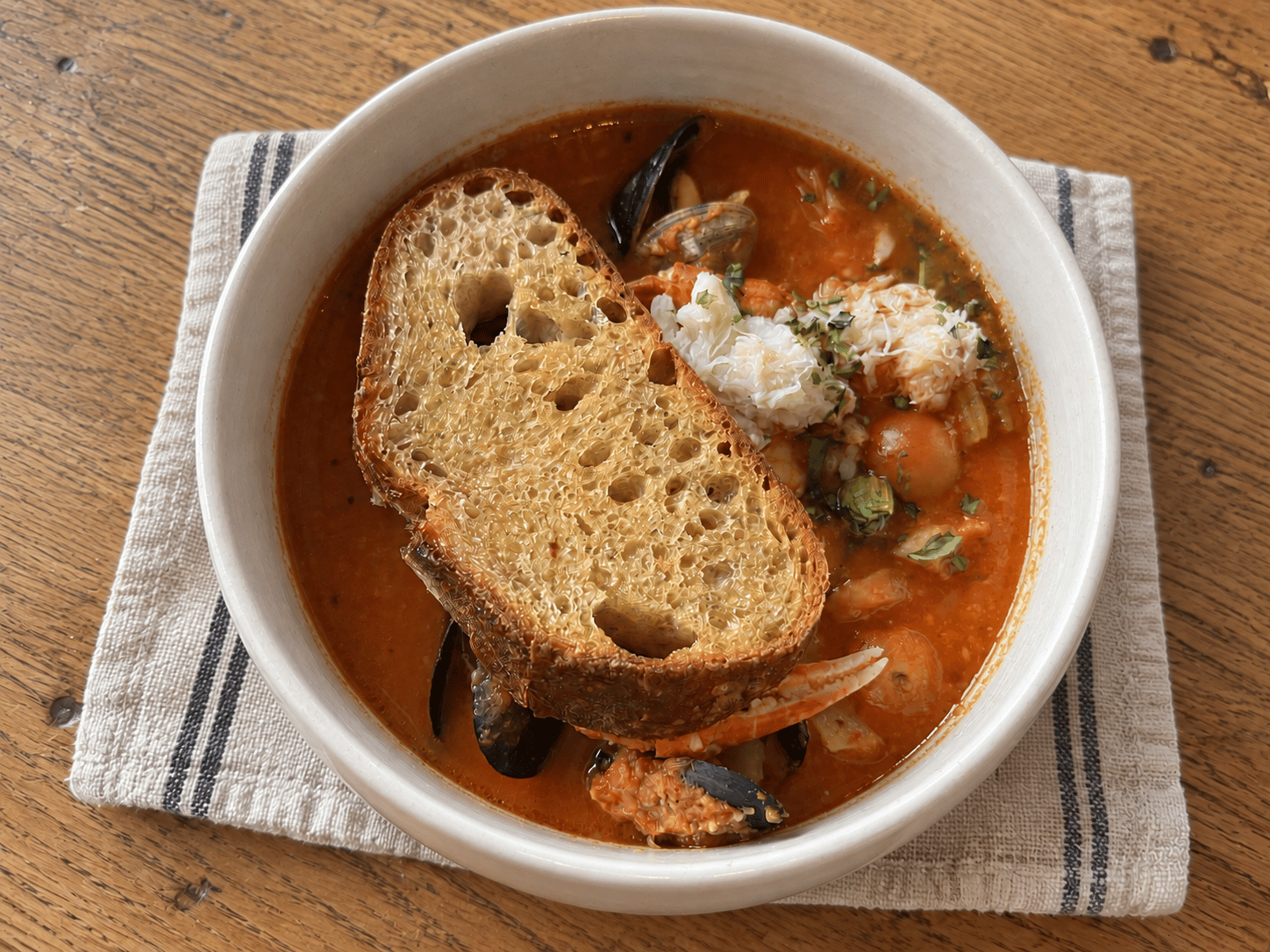
Lobster Bisque with Chive Cream
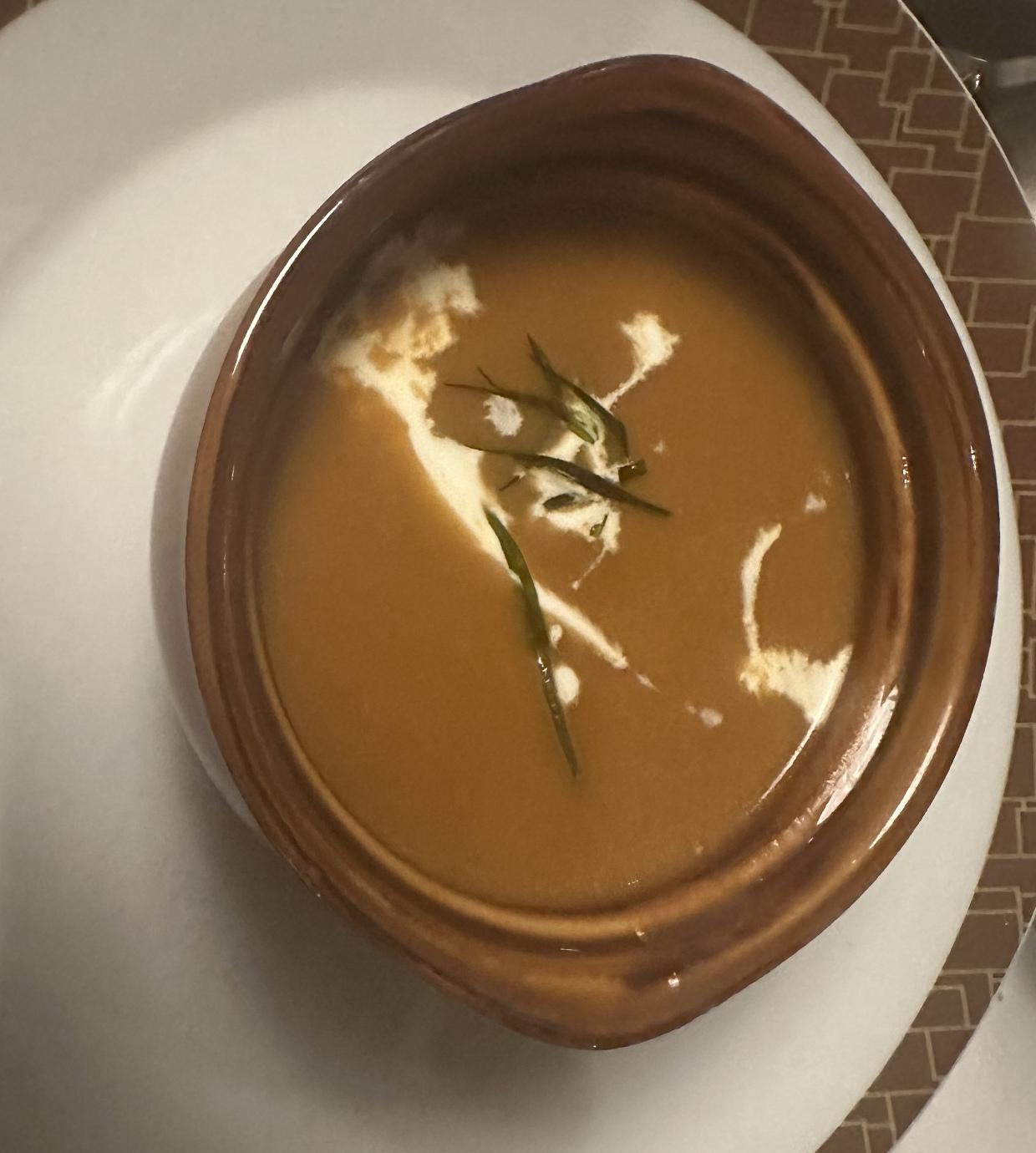
Toasting the lobster shells in butter builds the base of this bisque, while rice gives it a smooth body. Simmer the shells with vegetables, tomato paste, thyme, and fish stock, then remove every hard shell before blending the rice and vegetables. Strain the soup finely, stir in the cream, and gently warm the reserved cooked lobster meat. Finish each bowl with chives and, if you like, a swirl of cream.
- Total
- about 1 hour 15 minutes, plus thawing if needed
- Serves
- 4 to 6
Recipe
Lobster Bisque with Chive Cream
- Prep
- 20 minutes
- Cook
- 55 minutes
- Total
- about 1 hour 15 minutes, plus thawing if needed
- Serves
- 4 to 6
Ingredients
Lobster and shells
Aromatics
Liquid and thickener
To finish
Optional additions
Instructions
- 1
Cook the lobster tails
Bring a large pot of lightly salted water to a boil. Add the thawed tails and simmer for about 4 to 6 minutes, depending on size, until the meat is opaque and firm and the center reaches 145°F. Check the thickest part with a food thermometer; color alone is not enough. Lift out with tongs and let cool just until you can handle them. Reserve a little cooking water in case the finished soup needs thinning.
- 2
Remove and chill the meat
Use kitchen shears to cut along the underside of each shell. Remove the meat, check for any shell fragments, and cut into bite-sized pieces. Cover and refrigerate promptly while you make the base. Save the shells and any collected juices.
- 3
Toast the shells
Melt the butter in a large heavy pot over medium heat. Add the shells and cook, turning often, for about 5 minutes, until fragrant and the butter takes on an orange tint. Keep the heat moderate so the butter does not scorch.
- 4
Cook the aromatics
Add the onion, carrot, and celery. Cook, stirring, for about 6 minutes, until softened. Add the tomato paste, garlic, thyme, and bay leaf and cook for 2 minutes more, until the tomato paste darkens slightly.
- 5
Deglaze if using alcohol
Take the pot off the heat before adding the optional brandy or sherry. Return it to medium heat and simmer for about 1 minute, scraping up the browned bits. If skipping the alcohol, use a splash of the measured fish stock to loosen the pan instead.
- 6
Simmer with rice
Add the remaining measured stock and the dry rice. Bring to a gentle simmer, partially cover, and cook over low heat for 30 minutes, until the rice and vegetables are very soft. Stir occasionally so the rice does not stick to the bottom.
- 7
Remove the shells and blend
Remove the bay leaf and lift out every hard shell with tongs, letting the broth drain back into the pot. Check carefully for small shell pieces and discard them before blending. Let the base cool slightly. Use an immersion blender in the pot, or blend in small batches in a countertop blender rated for hot liquids, following its venting and fill-limit instructions. Start on low and increase gradually until smooth. Do not blend hot soup in a sealed personal blender cup.
- 8
Strain the base
Pass the blended base through a fine-mesh sieve into a clean pot, pressing the soft rice and vegetables gently with a ladle. Stop pressing if coarse solids begin to pass through. Discard the residue. Rinse the sieve and strain again if any grit remains; do not force hard fragments through the mesh.
- 9
Finish with cream
Set the strained base over low heat and stir in the measured cream. Warm gently until steaming, without a rolling boil. If it is too thick, add a little of the reserved cooking water or plain water until it is pourable. Taste before adding salt, especially if using clam juice.
- 10
Warm the lobster and serve
Fold in the refrigerated cooked lobster and warm it gently, about 2 minutes, just until hot through. Season with salt and pepper. Divide among warm bowls, add an optional small cream swirl, and scatter over the chives. The recipe serves 4 generously or 6 as a smaller course; nutrition is based on 6 portions.
Estimated nutrition
Per serving (1 of 6)
- Calories
- 306 kcal
- Protein
- 13.6 g
- Carbs
- 11.6 g
- Fat
- 22.9 g
Calculated from the listed amounts. Optional or unmeasured additions are excluded; brands, substitutions, and cooking losses can change the result.


Shopping list
Produce
Meat & seafood
Dairy & eggs
Spices
Pantry
Other
Lobster Bisque with Chive Cream
Nutrition · Per serving (1 of 6)
- Protein
- 13.6 g
- Carbs
- 11.6 g
- Fat
- 22.9 g
306 Cal
Estimated · optional extras excluded
Lobster Bisque with Chive Cream
Cook the lobster tails
Bring a large pot of lightly salted water to a boil. Add the thawed tails and simmer for about 4 to 6 minutes, depending on size, until the meat is opaque and firm and the center reaches 145°F. Check the thickest part with a food thermometer; color alone is not enough. Lift out with tongs and let cool just until you can handle them. Reserve a little cooking water in case the finished soup needs thinning.
All ingredients · 17
Your recipes, wherever you find them.

Social posts

Photos

Cookbooks
Recipe cards


Your cookbook
Using frozen tails
Thaw the tails in the refrigerator overnight. For quicker thawing, seal them in a leakproof bag in cold water, changing the water every 30 minutes, and cook as soon as thawed. Timing depends on tail size; do not assume every tail thaws in 30 minutes.
The 1½ pounds is shell-on weight. Save the shells for the broth, but remove all hard shells and fragments before blending the softened rice and vegetables.
A smooth, creamy base
Rice softens during simmering and blends into the soup. Blend the soft base thoroughly, then strain finely; do not grind hard lobster shells in a household blender.
Use a blender intended for hot liquids and follow its venting instructions, or use an immersion blender. A sealed cup can trap steam.
After adding cream, warm gently and avoid a rolling boil. Overheating, incomplete blending, or coarse solids can all spoil the texture.
Make ahead and portions
You can make and strain the base up to 2 days ahead. Cool it promptly in shallow containers and refrigerate; keep the cooked lobster meat separately refrigerated. Reheat only the portions you plan to serve, then add cream and the lobster near the end.
The estimate is for 1 of 6 portions using fish stock and the first-listed fresh thyme. It includes the edible lobster meat and nutrients retained in the strained base, rice, butter, measured cream, and chives. Shells, discarded residue, optional alcohol, and the extra cream swirl are excluded.
Frequently Asked Questions
Can I use frozen lobster tails?
Yes. Thaw them overnight in the refrigerator. To thaw more quickly, seal them in a leakproof bag in cold water, change the water every 30 minutes, and cook immediately after thawing. Larger tails can take longer.
Why is my lobster bisque grainy?
The rice or vegetables may not have softened enough, the base may need more blending, or coarse solids may have passed through the sieve. Remove all hard shells before blending, blend the soft base until smooth, then strain finely. Warm gently after adding cream.
Do I have to use alcohol?
No. Skip the brandy or sherry and deglaze with a splash of the measured stock instead. The shells, butter, vegetables, and cream still give the soup plenty of flavor.
How do I thicken lobster bisque?
The rice in this recipe softens and blends into the base. Simmer until it is completely soft, then blend thoroughly. If the strained base is thin, reduce it gently before adding cream; if it is too thick, add a little water.
Can I make this ahead?
Yes. Make and strain the base up to 2 days ahead, cool promptly, and refrigerate. Keep the cooked lobster separately refrigerated. Reheat the base gently, then add the cream and lobster near serving time so the meat does not cook again for too long.
What can I substitute for lobster?
Shell-on shrimp can make a similar soup with a different flavor. Use about 2 pounds, cook the shrimp only until opaque, then reserve the meat and use the shells for the base. Remove the shells before blending. Shrimp cook faster than lobster tails, and this substitution needs a fresh nutrition estimate.