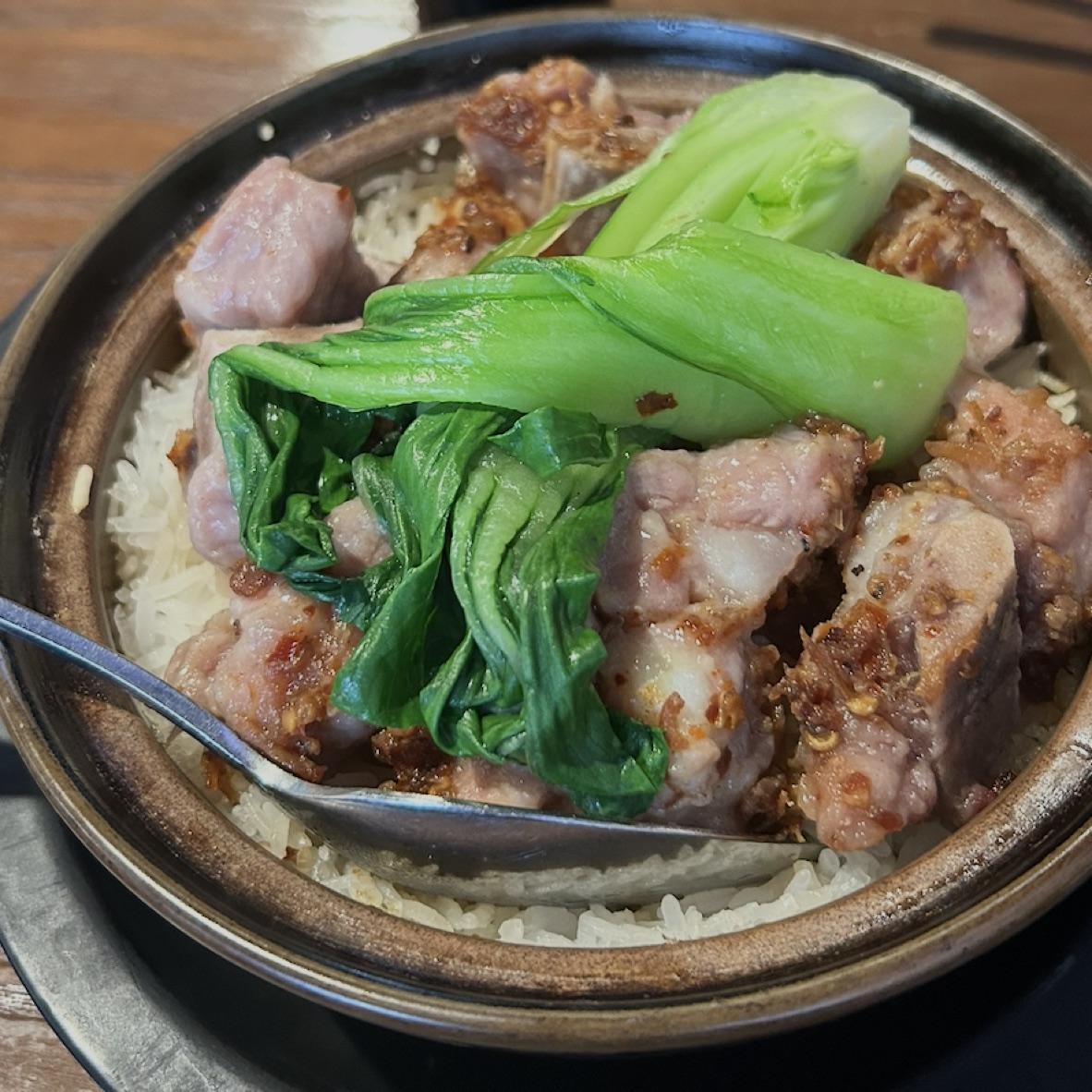
Steamed Spare Ribs with Black Bean Sauce
豉汁蒸排骨
One of my earliest childhood memories is watching my grandfather prepare steamed spare ribs with black bean sauce. He steamed them in the rice cooker, actually, right over our rice. At the time, fermented black beans tasted completely foreign to me. I hated when the sauce seeped into the white rice below. Now that so much time has passed, I can only look back on those meals fondly.
When I make them now, I start at the butcher counter. Please ask the butcher to cut the ribs into one-inch pieces. A chef's knife has no business going through pork bones! Once you have the riblets, marinate them with fermented black beans, garlic, and Shaoxing wine, then steam the whole plate.
- Total
- about 1 hour 20 minutes
- Serves
- 3 to 4

Recipe
Steamed Spare Ribs with Black Bean Sauce
- Prep
- 15 minutes
- Cook
- 22 minutes
- Rest
- 40 minutes
- Total
- about 1 hour 20 minutes
- Serves
- 3 to 4
Ingredients
Spare ribs
To finish
Instructions
- 1
Soak the riblets
Put the riblets in a bowl, cover them with cold water, and soak for 10 minutes to loosen bone dust from the butcher's saw. Swish them in the bowl, drain, then cover with fresh water and drain once more. Pat the riblets very dry with paper towels and wash the bowl before using it again.
- 2
Start the marinade
Add the black beans, garlic, ginger, Shaoxing wine, oyster sauce, soy sauce, sugar, white pepper, and baking soda if using. Mix for about 1 minute, rubbing the black beans and garlic over every piece so there are no unseasoned sides.
- 3
Add the starch and oils
Add the cornstarch and water and mix until the marinade looks glossy and clings to the riblets, with no dry starch or watery pool at the bottom of the bowl. Stir in the sesame oil and neutral oil last. Cover and refrigerate for at least 30 minutes or up to overnight.
- 4
Prepare the steamer
Bring 2 to 3 inches of water to a boil in a wok or steamer. Choose a shallow heatproof plate that fits inside with room for steam to circulate.
- 5
Arrange the ribs
Spread the riblets over a shallow 9-inch heatproof plate in one layer, leaving a little space between the pieces. Do not stack them; use a second plate if needed. Scrape the marinade over the top and scatter on the sliced chile if using.
- 6
Steam
Set the plate in the steamer, cover, and steam over high heat for 20 to 22 minutes. Check the water halfway through and add more boiling water if needed. Cut into the thickest piece: the meat should be opaque through the center with clear juices. A thermometer inserted into the meat without touching bone should read at least 145°F.
- 7
Rest and serve
Turn off the heat and leave the covered steamer alone for 3 minutes. Carefully remove the plate, spoon the juices over the riblets, and finish with scallion if using. Serve hot as part of a dim sum spread or with rice.
Estimated nutrition
Per serving (1 of 4)
- Calories
- 251 kcal
- Protein
- 11.5 g
- Carbs
- 4.7 g
- Fat
- 20.3 g
Calculated from the listed amounts. Optional or unmeasured additions are excluded; brands, substitutions, and cooking losses can change the result.


Shopping list
Produce
Meat & seafood
Spices
Pantry
Other
Steamed Spare Ribs with Black Bean Sauce
Nutrition · Per serving (1 of 4)
- Protein
- 11.5 g
- Carbs
- 4.7 g
- Fat
- 20.3 g
251 Cal
Estimated · optional extras excluded
Steamed Spare Ribs with Black Bean Sauce
Soak the riblets
Put the riblets in a bowl, cover them with cold water, and soak for 10 minutes to loosen bone dust from the butcher's saw. Swish them in the bowl, drain, then cover with fresh water and drain once more. Pat the riblets very dry with paper towels and wash the bowl before using it again.
For this step
All ingredients · 16
Your recipes, wherever you find them.
Social posts


Photos

Cookbooks
Recipe cards


Your cookbook
Shortcuts and substitutions
Buying the right ribs
Look for pork spare ribs chopped into 1-inch pieces at a Chinese butcher or Asian grocery store. Full-size ribs will not cook through in the same amount of time.
Fermented black beans
Use dried salted black soybeans, called douchi, rather than canned black beans. Rinse them briefly so they season the pork without making the whole plate too salty.
No Shaoxing wine
Use dry sherry, or replace it with 2 teaspoons water and 1 teaspoon rice vinegar for an alcohol-free version.
Recipe notes
Keep the ribs in one layer
Piled riblets steam unevenly. Use two plates or steam in two batches if your plate is too small to hold them without stacking.
Baking soda is optional
A small amount gives the pork the softer texture common at dim sum restaurants. Do not add more than ¼ teaspoon or the flavor can turn alkaline.
Marinate overnight when convenient
Thirty minutes is enough to season small riblets, but an overnight rest gives the black beans and garlic more time to work into the meat.
Frequently Asked Questions
What cut of pork is used for dim sum spare ribs?
Cantonese dim sum spare ribs are usually made from meaty pork spare ribs cut crosswise through the bones into small pieces. Ask the butcher for one-inch riblets or dim sum ribs.
Do I need to wash or soak pork ribs before steaming?
A short cold-water soak is useful for small butcher-cut riblets because it removes bone dust and loose juices. Drain and dry them well afterward so the marinade clings.
How long do small spare ribs take to steam?
One-inch riblets arranged in a single layer usually need 20 to 22 minutes over steadily boiling water, followed by a 3-minute covered rest. Larger pieces need more time.
Can steamed spare ribs be made ahead?
The ribs can marinate overnight. For the best texture, steam them shortly before serving. Leftovers can be refrigerated for up to three days and reheated in the steamer for 8 to 10 minutes.
Why are my steamed pork ribs tough?
The pieces may be too large, too lean, or crowded on the plate. Use meaty spare riblets, cut them small, keep them in one layer, and include the optional baking soda if you prefer a softer dim sum texture.