
Cooking notes
Soy sauce saltiness by brand
By Shio · Labels checked
Please don’t give up on the noodles. If you followed the recipe and they’re still too salty, check the bottle: regular Kikkoman has 960 mg sodium per tablespoon, while its Less Sodium version has 590 mg.
How much sodium is in a tablespoon?
Sodium is the part of salt measured on nutrition labels. A higher fill means more sodium per tablespoon.
Scroll across to compare all eight bottles →
mg = milligrams. Each value is for one tablespoon (15 mL), on the same 1,200 mg scale. These are label numbers, not taste-test scores; the drawings don’t show actual sauce volume or color. U.S. labels checked September 5, 2026.
Product labels, sources & how to read the chart
This compares sodium on U.S. labels, not taste-test results. Sweetness and acidity also affect how salty a sauce tastes. See theUmami Information Centerfor more on flavor.
| Exact product | Sodium per 15 mL |
|---|---|
| KikkomanLess Sodium Soy Sauce10 fl oz · reduced sodiumKikkoman label | 590mg |
| YamasaReduced Sodium Shoyu10 fl oz · reduced sodiumYamasa label | 690mg |
| KimlanSoy Sauce10 oz · standard, not Soy PasteH-E-B nutrition listing | 830mg |
| YamasaShoyu10 fl oz · regular Japanese soy sauceYamasa label | 920mg |
| KikkomanSoy Sauce (Non-GMO)40 fl oz · regular Japanese soy sauceKikkoman label | 960mg |
| San-JTamari Gluten Free Soy SauceRegular tamari · label serving: 1 tbsp (18 g)San-J label | 980mg |
| Lee Kum KeePremium Soy Sauce (No Preservatives Added)16.9 fl oz · not Premium Dark Soy SauceLee Kum Kee label | 1,030mg |
| Pearl River BridgeSuperior Light Soy Sauce16.9 fl oz · UPC 0072233781904Kroger nutrition listing | 1,160mg |
If your bottle gives a different number, use that one. Formulas vary by market, and retailer listings can be out of date. Kimlan and Pearl River Bridge figures are from retailers; the rest are from manufacturers. San-J gives its tablespoon’s weight as 18 g, which does not mean 18 mL. All figures are sodium, not salt.
Is Lee Kum Kee saltier than Kikkoman?
For these regular bottles, about 7% more sodium. Switching from Kikkoman Less Sodium to regular is a much bigger jump: 63%.
- KikkomanRegular · Non-GMO
- 960mg
- Lee Kum KeePremium · No Preservatives Added
- 1,030mg
- Serving size
- Per tablespoon (15 mL) · Label details above
What’s the difference between light and dark soy sauce?
In Chinese recipes, these are two different sauces. Light soy is the everyday seasoning bottle. Dark soy is usually added in smaller amounts for a deeper brown color.
Light soy sauce
Thin and reddish-brown, with a salty, savory taste. Use it in fried rice, stir-fried noodles, or a dumpling dipping sauce.
Buy this first for everyday Chinese cooking.
Dark soy sauce
Usually thicker and much darker, often a little sweet. It gives noodles or slow-cooked pork that deep brown finish. It adds flavor and salt, too.
Add it when the recipe specifically asks for dark soy.
Why use both? In beef chow fun, light soy seasons the beef and noodles; dark soy deepens their color. Lee Kum Kee explains the pairing.
“Light” does not mean low-salt. For less salt, look for “less sodium” or “reduced sodium” on the bottle. Neither light nor dark tells you how much sodium it contains.
Can I use the bottle I already have?
Regular Kikkoman: It can stand in for Chinese light soy, though the flavor and sodium may differ. It’s an all-purpose Japanese soy sauce, not Chinese dark soy. Kikkoman’s cooking notes.
No dark soy: If a recipe needs only a little for color, you can leave it out or use regular soy sauce. The food will be paler. The Woks of Life gives these options.
Only dark soy: Don’t replace all the light soy with it. You can end up with a much darker, sweeter dish; get light soy or an all-purpose soy sauce for that part.
What about Japanese light and dark soy?
The names mean something different in Japan. Koikuchi, sometimes called “dark,” is the regular all-purpose soy sauce. Usukuchi, or “light,” is paler but generally contains more salt. Neither is the same as Chinese dark soy. More on Japanese styles.
Regular instead of reduced-sodium soy sauce
Recipe calls for
2 tbsp
Kikkoman Less Sodium
Use this instead
1 tbsp + ¾ tsp
Regular Kikkoman
2¼ tsp
Water
tbsp = tablespoon · tsp = teaspoon
About 1,200 mg sodium instead of 1,180 mg. Similar sodium, but the flavor won’t be identical.
Mix it in a bowl, not the storage bottle. This swap is for the Kikkoman products above; other bottles need their own calculation.
The calculation for other bottles
New amount = recipe amount × original sodium ÷ new sodium
Use sodium per tablespoon for both labels. Here, 2 × 590 ÷ 960 = 1.23 tablespoons, rounded to the spoons above. This works for similar styles; diluted Chinese dark soy won’t become light soy.
If you’re switching to reduced sodium to eat less sodium, start with the recipe’s original volume. If no brand is named, hold back a little of the finishing sauce and taste the cooked food before adding the rest.
Where to cut back in a recipe
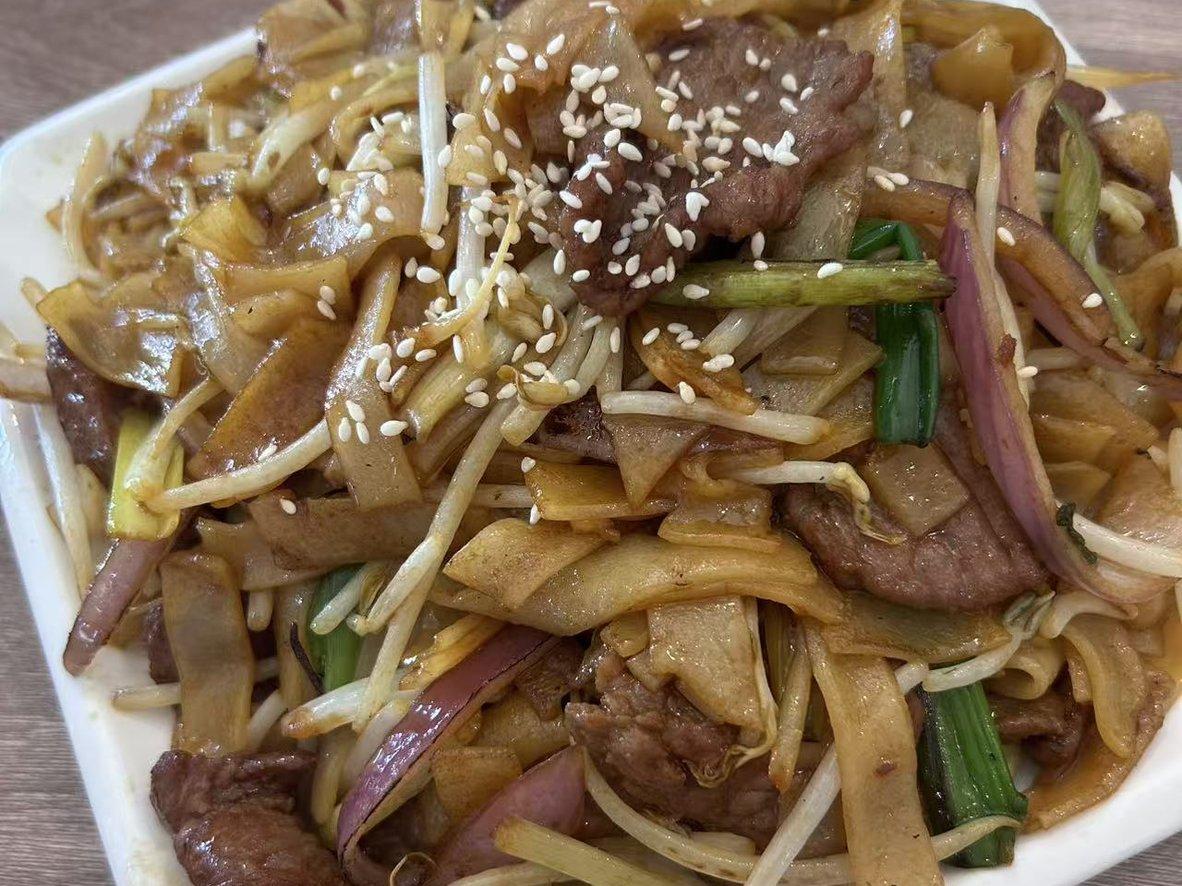
Beef chow fun
The beef is seasoned with light soy before cooking, and more goes on the noodles. If your new bottle has more sodium, cut back in both places.
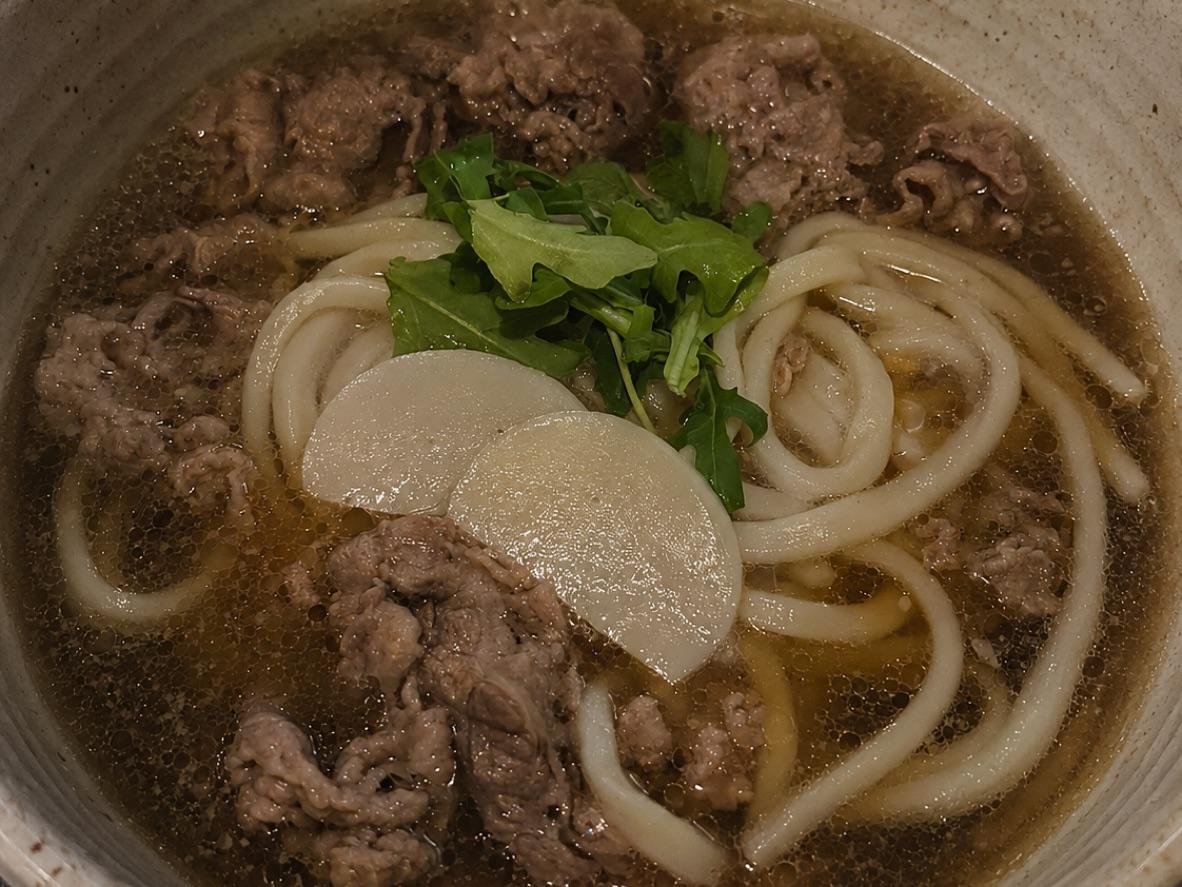
Niku udon
Taste the broth before adding the extra salt in the recipe. If it’s too salty, add a little water or unsalted broth.

Red-braised pork belly
As water evaporates, the salt stays in the sauce. Wait until the sauce is as thick as you want it before adding more soy.
Soy sauce questions
Which soy sauce has the least sodium?
Kikkoman Less Sodium is lowest in this comparison at 590 mg per tablespoon. Among the regular sauces here, Kimlan is lowest at 830 mg. This table covers eight products, so it won’t tell you the lowest-sodium sauce on the whole market.
Can I use regular soy sauce instead of low-sodium soy sauce?
Yes. To replace 2 tablespoons of Kikkoman Less Sodium, use 1 tablespoon plus ¾ teaspoon regular Kikkoman and 2¼ teaspoons water. The sodium comes out close, though the flavor won’t be identical. Other brands need a different calculation using their labels.
Is light soy sauce less salty than dark soy sauce?
Not necessarily. Chinese light soy adds salty flavor; dark soy adds deep brown color and often some sweetness, but still contains salt. For less salt, look for a bottle marked less sodium or reduced sodium and compare the numbers on its nutrition label.
Is tamari lower in sodium than soy sauce?
Tamari is a Japanese style of soy sauce, not a lower-sodium label. The regular San-J tamari here has 980 mg per tablespoon, slightly more than regular Kikkoman’s 960 mg. If you want less sodium, look for a reduced-sodium tamari.